
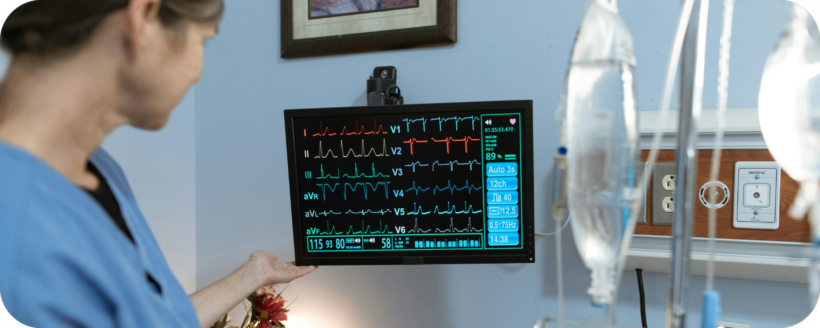
12 Lead Resting ECG
Our 12 lead resting ECG is a quick, non-invasive test that records the heart’s electrical activity.
€99.00
What's Included
Description
An ECG is a quick, non-invasive test that records the heart’s electrical activity. It helps detect irregular rhythms and underlying conditions early, providing reassurance, supporting safe exercise, and enabling timely medical guidance before symptoms appear.
The ECG screening includes measurements of height and weight, blood pressure assessment, and a lifestyle questionnaire. This is followed by a standard 12-lead resting ECG. All results are reviewed by a cardiologist and are emailed within two to three working days.
Pulse Health provides mobile ECG services to sports clubs and schools around the country. We screen from 12 years of age and up. Our cardiologist Dr Wisam Khider who is a specialist in Interventional Cardiology will review each screening. A results report of each screening will be delivered via email within two to four working days.
Should our cardiologist detect any issues in your ECG, he is available for further assessment. This service is available to Pulse Health clients aged 16 years and above without GP referral.
What to wear
- Wear loose, comfortable clothing (e.g. a top that’s easy to remove or open at the front)
- Avoid tight garments, tights, or full-body shapewear that are hard to take off
Skin preparation
- Do not apply lotions, oils, or creams on your chest on the day (they interfere with electrode adhesion)
- Avoid heavy perfumes or powders on the chest area
- If you have a lot of chest hair, be aware a small area may need to be shaved for good contact
Before the appointment
- Avoid vigorous exercise right before your ECG (can temporarily affect heart rate/rhythm)
- Limit caffeine (coffee, tea, energy drinks) for a few hours beforehand unless told otherwise
- Avoid smoking immediately before the test if possible
- Eat normally—no need to fast unless you’ve been told otherwise
Medications & health info
- Continue your usual medications unless your clinician has told you otherwise
- Bring a list of medications (or the boxes) with you
- Let staff know if you have a pacemaker or implanted device
During the test (so they know what to expect)
- Small adhesive electrodes will be placed on your chest, arms, and legs
- You’ll be asked to lie still and breathe normally
- The test is painless and usually takes 5–10 minutes
Other helpful tips
- Arrive a few minutes early to relax—being rushed or anxious can affect readings
- Inform staff if you have sensitive skin or allergies to adhesives
- Remove necklaces or chest jewellery beforehand if possible